
Humidity is part of life in Miami. The ocean air feels warm and heavy most of the year. Afternoon storms roll in fast. Air conditioners run almost nonstop. Yet many homeowners still ask the same question. Why does my house feel dirty even after I clean it?
The answer often comes down to one issue. High humidity in Miami homes changes how dust, mold, and grime behave indoors. Moisture in the air makes surfaces sticky. It traps odors. It helps microbes grow. Even a well-cleaned space can feel damp and stale. Whether you live in a modern Brickell high-rise or need a Coral Gables cleaning service for an older home with wood floors and higher mold risk, humidity affects every Miami property the same way.
This guide explains why that happens. You will also learn what to do about it.
What Counts as High Indoor Humidity
Indoor humidity levels measure how much moisture sits in the air. Experts recommend keeping levels between 40 and 60 percent. Anything above 60 percent feels damp. In Miami, outdoor humidity often stays above 70 percent. When outdoor air enters your house, indoor levels rise fast. Every time you open a door, humid air flows inside. Small leaks around windows add more moisture. Cooking and showering raise levels even higher. High humidity in Miami homes often goes unnoticed. You cannot always see moisture. But you can feel it.
Look for these warning signs:
These signs point to excess moisture in the house. If ignored, the problems grow worse.
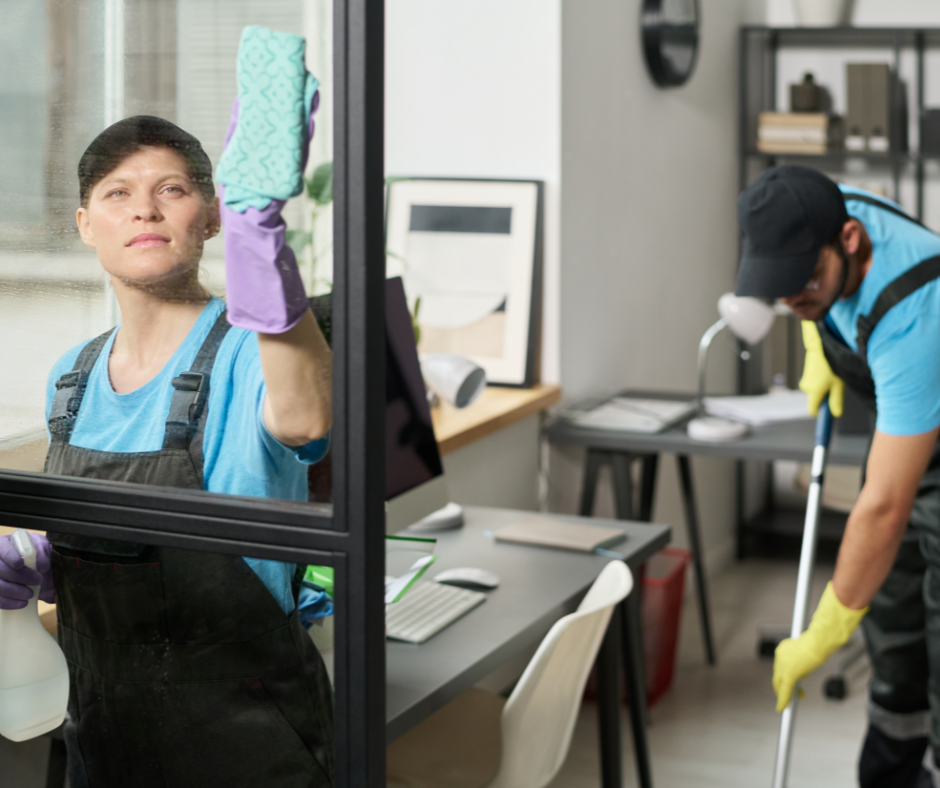
Many people clean more often during the summer. Still, the house feels grimy. There is a simple reason.
Humidity changes how dirt behaves.
When air holds extra moisture, dust absorbs it. Damp dust sticks to surfaces instead of floating away. It clings to ceiling fans, shelves, and blinds. Wiping it away feels pointless because it returns quickly.
High humidity in Miami homes also makes floors feel sticky. Even clean tile can feel tacky under bare feet. Moisture creates a thin film on hard surfaces. Dirt sticks to that film within hours.
That heavy feeling in the air is not your imagination. Humid air holds smells and particles. Rooms feel stale even with fresh air conditioning.
Dust never disappears. It forms from skin cells, fabric fibers, pollen, and outdoor particles. In dry climates, much of it floats and gets filtered. In humid climates, it behaves differently. Dust buildup in humid weather happens faster because moisture weighs particles down. They settle quickly on furniture and floors. They also combine with oils from cooking and skin. This mixture creates a thin grime layer. Air filters clog faster in humid conditions. When filters clog, they circulate more dust. That cycle continues until you replace them. High humidity in Miami homes makes this problem constant. The air never stays dry for long.
Tile floors are common in South Florida homes. They feel cool and are easy to clean. Yet many homeowners notice sticky floors in humid weather. Moisture mixes with cleaning residue. Even a small amount of leftover soap attracts dirt. Add humidity, and the surface becomes tacky. Hardwood floors suffer too. Wood absorbs moisture from the air. Boards swell slightly. Dirt collects in the gaps. Over time, finishes break down faster. If your floors feel dirty one day after mopping, humidity is likely the cause. For a deeper reset, steam cleaning for sticky floors and tile removes the soap residue and moisture film that regular mopping leaves behind.
Mold spores exist everywhere. They float through indoor and outdoor air. Under dry conditions, they remain inactive. Add warmth and moisture, and they grow. Miami provides both. Mold growth in a humid climate can start within 24 to 48 hours. Bathrooms, kitchens, and laundry rooms face the highest risk. Closets and storage areas are also common problem spots. You may see black, green, or gray patches. Sometimes mold hides behind drywall or under flooring. Often, the first clue is a musty smell in the house.
Mold exposure affects many people.
Children and older adults are especially sensitive. Prevent mold in Miami homes by controlling moisture first. Cleaning alone will not stop it.
Some moisture issues hide in plain sight.
Many homes rely on central air systems. If the unit is too large, it cools the air quickly. It shuts off before removing enough moisture. The house feels cool but damp.
Bathroom fans often vent into attics instead of outdoors. Kitchens may lack proper exhaust. Without ventilation, moisture lingers.
During long storms, homes stay closed for days. Air circulation drops. Indoor humidity levels climb quietly.
High humidity in Miami homes builds from small daily habits.
It is tempting to buy stronger cleaners. Some people use heavy fragrances to mask odors. Others mop floors more often. These steps treat symptoms. They do not address moisture. Air fresheners only cover a musty smell in the house. They do not remove the source. Bleach may kill surface mold, but hidden growth can return if humidity stays high. Moisture control must come first. For homeowners focused on deep sanitation, it helps to review a full room-by-room cleaning checklist. Pair that with humidity control for lasting results.
The solution requires steady habits. Small adjustments can make a major difference.
Portable units remove moisture from the air. Whole-house systems connect to HVAC equipment. Keep humidity between 45 and 55 percent for comfort.
Change filters every one to three months. Clear drain lines to prevent clogs. Schedule annual inspections before summer. If you need guidance, this AC maintenance guide for coastal climates explains what to check.
Run bathroom exhaust fans during showers. Use kitchen fans while cooking. Open windows briefly on dry days.
Check weatherstripping around doors. Seal gaps around windows. Prevent humid outdoor air from sneaking in.
Buy a simple digital hygrometer. Place it in central living areas. Track changes during rainy weeks.
High humidity in Miami homes becomes manageable when you track it.
Certain rooms need extra attention.
Steam builds fast. Wipe down walls after showers. Keep doors open to increase airflow.
Boiling water adds moisture quickly. Use exhaust fans every time you cook.
Closed doors trap damp air overnight. Wash bedding often to reduce dust buildup in humid weather.
Clothes absorb moisture. Consider small moisture absorbers inside tight spaces. If you store seasonal items, follow this closet organization and moisture prevention guide for better protection.
Moisture does more than create surface grime.
Over time, property value may decline. Buyers often notice musty smells immediately. Prevention protects both comfort and investment.
Indoor air quality affects how your home feels daily. High humidity in Miami homes lowers air quality in several ways. Moist air supports dust mites. These microscopic pests thrive above 50 percent humidity. They feed on skin flakes and increase allergens. Mold spores multiply faster. Bacteria survive longer on damp surfaces. Odors linger because moisture traps airborne particles. If allergies worsen indoors, humidity may be the hidden cause. To improve air quality, combine dehumidification with regular cleaning. A detailed indoor air quality improvement plan can help you track progress.
Summer brings the highest moisture levels. Afternoon storms add extra humidity. Hurricane season keeps windows closed for safety. Winter offers slight relief. Yet humidity rarely drops low enough to solve problems on its own. High humidity in Miami homes remains a year-round challenge.
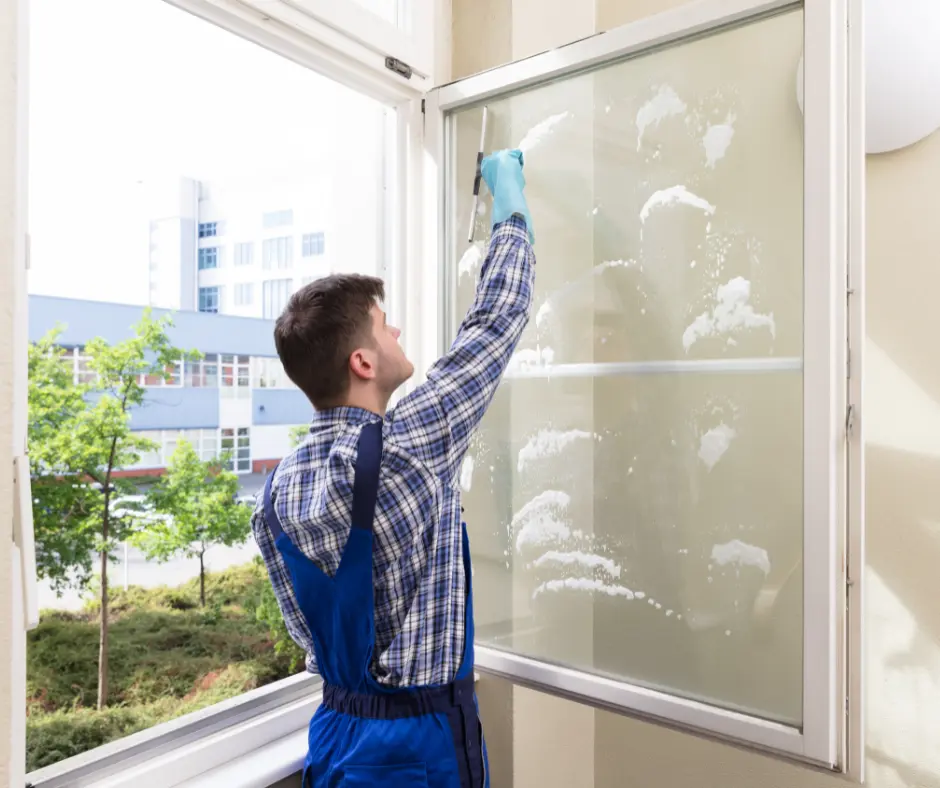
Use this list to spot trouble early:
Small signs point to larger issues.
Sometimes, home solutions are not enough.
Call a professional if:
If any of these apply, it’s time to book deep cleaning services in Miami that go beyond the surface.
Living in Miami means living with moisture. Ocean air and summer storms shape daily life. Yet high humidity in Miami homes does not have to control your comfort.
When humidity rises, dust sticks faster. Mold grows quickly. Floors feel tacky. Rooms smell stale. Cleaning alone cannot fix these issues.
Control moisture first. Monitor indoor humidity levels. Improve airflow. Maintain your cooling system. These steps keep your house truly clean, not just freshly wiped. A regular maid service in Miami paired with humidity control, keeps your home genuinely clean year-round.
A dry home feels lighter. It smells fresher. It stays cleaner longer.

 All Rights Reserved.