
⚠ Important Notice: Clean Couture serves Miami-Dade & Broward counties only. We do not sell leads. Fraudulent activity using our name has been reported.
Beachside condo living looks effortless from the outside, but daily maintenance tells a different story. Many residents notice that no matter how often they clean, their home never feels fully fresh for long.. Glass turns cloudy again. Floors feel gritty. Bathrooms hold a damp smell that returns within days. This is not a cleaning failure. It is a coastal reality.
Condos located near the ocean face a constant mix of salt air, humidity, and fine sand. These elements behave differently from regular dust and dirt. They settle faster, stick harder, and damage surfaces over time. Homes near the water require a smarter cleaning approach that focuses on removal, drying, and surface protection rather than aggressive products.
This guide explains practical cleaning solutions designed specifically for beachside condos in Miami and Fort Lauderdale. Every method shared here reflects real conditions, real problems, and real routines that work in coastal environments.

Ocean air carries microscopic salt particles that travel far beyond the shoreline. These particles enter condos through open doors, windows, balconies, and ventilation. Once inside, salt settles quietly on every surface. It attracts moisture, holds dust in place, and creates a thin film that normal cleaning does not remove.
Humidity makes this worse. Coastal air slows evaporation, which means surfaces stay damp longer after cleaning. Damp surfaces collect more residue and develop odors faster. Add fine sand tracked in from the beach, and the result is a home that feels dirty again almost immediately.
This is why traditional cleaning routines fail in beachside condos. The issue is not effort. The issue is the approach. Cleaning solutions must address salt removal, moisture control, and grit management at the same time.
Salt residue is the most common and most misunderstood cleaning problem in oceanfront condos. Residents often describe it as cloudy windows, streaked mirrors, or sticky countertops. Salt does not behave like dirt. When wiped dry, it spreads. When scrubbed harshly, it scratches surfaces and leaves haze behind.
Salt enters through balconies, open windows, and even ventilation. It settles invisibly and bonds with moisture. This is why residue returns quickly if not removed correctly.
Salt also attracts moisture from the air. This causes surfaces to look wet or dull even after cleaning. Over time, this residue damages glass coatings, metal finishes, and stone surfaces.
The correct solution starts with gentle removal rather than aggressive scrubbing. Once salt is removed properly, cleaning becomes easier and results last longer.
Windows and sliding glass doors face direct exposure to ocean air. They collect salt faster than any other surface inside the home. Cleaning them properly requires a specific order.
Start by removing salt with a damp microfiber cloth and fresh water. This step lifts residue without grinding it into the glass. Skipping this step causes streaking and cloudiness that never fully disappear.
After removal, clean lightly using a surface-safe cleaner. Avoid harsh degreasers and acidic solutions that damage glass coatings. Finish by drying the surface completely with a squeegee or clean cloth. Drying matters because moisture left behind pulls new salt from the air.
Window and door tracks need attention as well. Sand and salt collect here and create odors over time. Vacuum loose debris first. Then wipe with a damp cloth and dry fully. This small habit prevents long-term buildup and improves indoor air freshness.
Balconies receive the highest concentration of salt exposure. Many residents overlook them, which leads to rusted railings, stained floors, and deteriorating furniture. Regular balcony care protects both appearance and structure.
Mrailings and fixtures should be wiped with a damp cloth to remove salt, followed by thorough drying. Moisture left on metal accelerates corrosion. This simple routine, done weekly, can extend the life of balcony hardware.
Balcony floors should never be scrubbed while sand is present. Sand scratches tile and stone surfaces quickly. Rinse or sweep loose grit first, then clean gently and allow the area to dry fully. Outdoor furniture also benefits from regular wiping and drying to prevent fabric damage and frame corrosion.
Humidity is the quiet force behind many cleaning frustrations in coastal condos. It slows drying and encourages odors to return even after thorough cleaning. Areas that stay damp become odor traps.
High-risk zones include bathroom ceilings, grout lines, closets, areas under sinks, air vents, and spaces behind furniture near exterior walls. These spots need consistent attention and proper drying after cleaning.
Cleaning alone does not solve humidity problems. Drying and airflow do. After cleaning, open doors, run exhaust fans, and allow air circulation to reduce moisture. If odors return quickly, cleaning frequency or drying time needs adjustment.
Bathrooms experience constant moisture and salt exposure. This combination causes spotting on fixtures, dull finishes, and recurring buildup.
Metal fixtures should be wiped with warm water and microfiber cloths, then dried every time. Drying prevents salt from bonding to the surface.
Tile and grout should be cleaned with surface-safe products and rinsed well. Harsh chemicals often damage finishes without solving the problem.
Shower corners and lower walls deserve extra attention. These areas stay wet longest and develop buildup first. Regular light cleaning works better than infrequent deep scrubbing.
Sand is abrasive and causes permanent damage if dragged across floors. Removing grit before wet cleaning is essential.
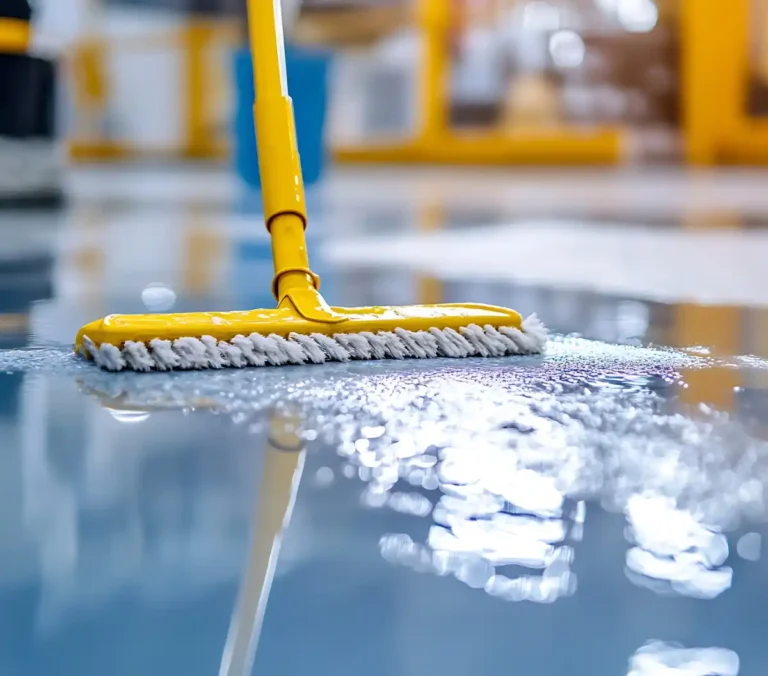
Always vacuum or sweep first. This step protects floors from scratches. After grit removal, mop gently using surface-appropriate cleaners.
Marble and stone floors require pH-neutral solutions. Acidic cleaners dull stone and cause etching.
Drying floors after cleaning prevents dull film and reduces residue buildup. Entryway habits also matter. Small mats inside and outside doors and removing shoes when possible significantly reduce sand spread throughout the condo.
Salt air dulls stainless steel faster than expected. Appliances near windows show spotting and haze within days.
The best routine is simple. Wipe surfaces with a damp microfiber cloth to remove salt. Rinse residue and dry immediately. Avoid oily polishes that attract more salt. Drying is the most important step in preserving stainless finishes near the ocean.
Effective coastal cleaning depends on consistency rather than intensity. Overcleaning damages surfaces. Undercleaning allows buildup.
A balanced schedule works best. Weekly cleaning should focus on glass touchpoints, floors, and bathrooms.
Monthly tasks include window tracks, balcony surfaces, and air vent covers. Seasonal or post-storm cleaning should address heavy salt exposure and entryway buildup.
This routine reflects real coastal conditions and protects surfaces long-term.
Some problems require professional tools and experience. If glass clouds again within days, odors persist despite cleaning, or luxury surfaces need protection, professional help is the smarter option.
Heavy salt buildup, post-storm residue, and persistent odors often require services like deep cleaning and patio and balcony cleaning to prevent long-term damage.
Effective beachside cleaning follows a few core principles.
Oceanfront living offers comfort and beautiful views, but it also brings real responsibility inside the home. Salt air settles on surfaces every day, humidity slows drying, and fine sand moves easily through living spaces. These conditions change how homes get dirty and how cleaning must be done. When cleaning methods match ocean conditions, results last longer and surfaces stay protected. Effective beachside cleaning is not about strong chemicals or rushed routines. It is about using the right method, allowing proper drying, and staying consistent. Smart cleaning does not fight the ocean. It works with it.
Need professional help? Clean Couture LLC is here for you. We clean all rug types with care and expertise you can trust.
Commonly missed areas include window tracks, balcony railings, AC vents, closet corners, and areas behind furniture near exterior walls. These spots collect salt, moisture, and odors over time.
Mold prevention starts with moisture control. Clean visible areas regularly, dry surfaces completely, and improve airflow after cleaning. Pay close attention to bathrooms, under sinks, closets, and AC vent areas where moisture lingers.
Cloudiness usually comes from salt film left behind after improper cleaning. When salt is spread instead of removed, it leaves a haze on the glass. Proper removal followed by thorough drying helps glass stay clear longer.
Sand is abrasive and scratches floors when dragged during mopping. Removing sand first through vacuuming or sweeping protects floors. Wet cleaning should always come after grit removal.
Beachside condos collect salt air, moisture, and fine sand every day. Salt attracts humidity and holds dust on surfaces, which makes homes feel dirty faster, even after cleaning. This is normal near the ocean and requires more frequent light cleaning, especially for glass and high-touch areas.

As a leading cleaning company in Miami FL, we prioritize delivering high-quality cleaning solutions for homes, apartments, and offices. From thorough deep cleaning to regular housekeeping and building cleaning services, we focus on providing a clean, organized, and sanitized environment. Trust our professional house cleaners in Miami to make your space shine while maintaining eco-friendly practices.

© 2025 Clean Couture LLC  All Rights Reserved.