
Miami’s warm climate creates perfect conditions for mold growth. High humidity keeps indoor air damp for long periods. Mold spores grow fast when moisture stays on walls, ceilings, and furniture.
Apartments face a higher mold risk than houses. Small spaces trap humidity and reduce airflow. Daily activities like showering and cooking increase indoor moisture even more.
Learning how to prevent mold in a Miami apartment protects your health and your living space. Prevention keeps indoor air clean and stops costly damage. Simple habits and proper humidity control make a big difference.
Miami’s tropical weather creates constant moisture in the air. This makes mold prevention harder than in dry cities. High humidity mold problems affect many apartment buildings across the area.
Miami has high humidity most of the year. Moist air enters apartments through windows and doors. Once inside, moisture stays trapped without proper ventilation. Mold spores grow quickly on damp walls, ceilings, and furniture.
Warm temperatures also speed mold growth. Mold spreads faster in warm and moist environments. This makes apartments in Miami more vulnerable.
Apartments face a higher mold risk than houses. Smaller rooms hold moisture longer. Shared walls reduce natural airflow. Many units have limited windows, which block ventilation.
Closets and corners receive less air circulation. Moisture builds up in these hidden areas. Mold often starts growing without notice.
Condensation forms when warm air touches cool surfaces. Water droplets appear on windows, mirrors, and walls. This creates damp conditions that help mold grow.
Condensation often appears in bedrooms and near windows. It also forms around air conditioning vents. Without moisture control, mold spreads quickly.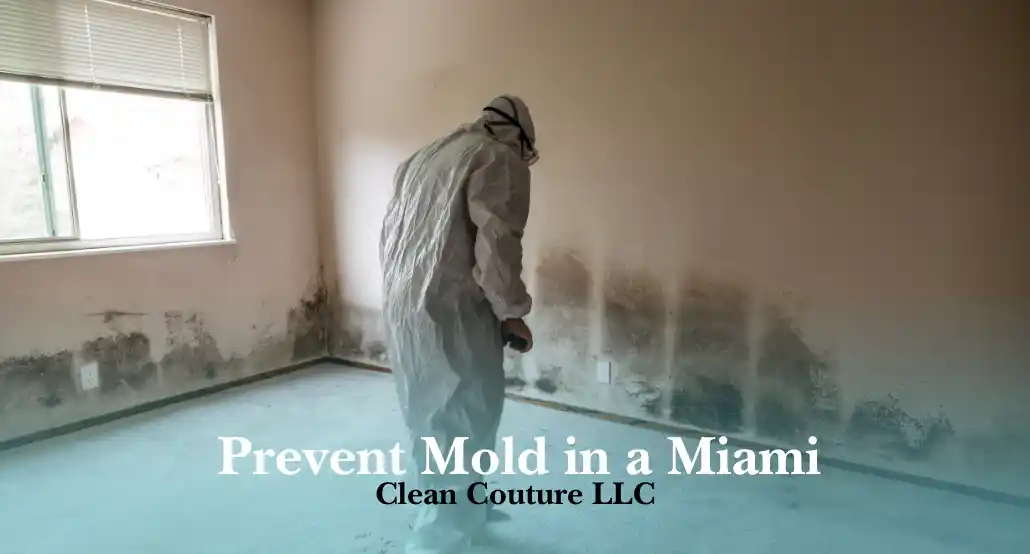
Normal routines add moisture to indoor air. Hot showers release steam into bathrooms. Cooking adds humidity to the kitchen. Drying clothes indoors increases moisture levels.
Without ventilation, this moisture stays trapped inside. Mold spores use this damp environment to grow.
Poor airflow increases mold risk. Exhaust fans may not remove moisture properly. Dirty air filters block airflow in air conditioning systems.
Damp air stays inside when ventilation is weak. This creates ideal conditions to prevent mold in humid climate areas like Miami.
Mold often grows silently at first. Musty smell is usually the first warning sign. Dark spots may appear later on walls and ceilings.
Ignoring these signs allows mold to spread. Early prevention protects your apartment and indoor air quality.
Indoor humidity control is the foundation of mold prevention. Mold spores grow when moisture stays in the air. Keeping humidity in the safe range protects your apartment and indoor air quality.
The ideal indoor humidity level is between 30 percent and 50 percent. This range keeps the air dry enough to stop mold growth.
When humidity rises above this level, mold risk increases.
Key humidity ranges to remember:
Many Miami apartments stay above 60 percent without humidity control.
High humidity creates damp indoor conditions. Mold spores settle on moist surfaces and begin growing.
Common areas affected include walls, ceilings, and closets. Condensation forms when humid air touches cooler surfaces. This adds more moisture and speeds mold growth. Apartments in humid climate areas like Miami face a higher risk. Moist air enters easily and stays trapped inside.
Most renters do not realize their humidity level is too high. Measuring humidity helps you act early.
You can maintain safe humidity with simple actions:
Checking humidity regularly helps prevent mold before it spreads. Maintaining the ideal indoor humidity level makes mold prevention easier and more effective.
Reducing indoor moisture is essential for mold prevention. High humidity allows mold spores to grow on many surfaces. You must control moisture daily to keep your apartment safe.
Many Miami apartments struggle with excess humidity. The humid climate adds moisture to indoor air. Without proper control, damp air stays trapped inside.
Ventilation helps move damp air out of your apartment. Fresh air reduces moisture and improves airflow. Good ventilation helps reduce humidity in apartment rooms quickly.
Use these simple habits:
Air conditioning plays a major role in mold prevention. It removes moisture while cooling the air. This helps maintain a safe indoor humidity level. Proper airflow prevents damp air buildup.
Keep your system working properly:
Some daily habits add unnecessary moisture to your apartment. Small changes can reduce mold risk.
Avoid these moisture-creating activities:
A dehumidifier for mold prevention helps remove excess moisture. It works well in bedrooms, closets, and closed spaces.
Dehumidifiers help by:
This is very helpful in humid climate cities like Miami. Reducing humidity is one of the most effective ways to prevent mold in apartment spaces.
Air conditioning plays a major role in mold prevention. It cools the air and removes excess moisture. This helps maintain a safe indoor humidity level. In Miami, air conditioning often runs most of the year. This makes it one of the most effective tools to prevent mold in apartment spaces.
Air conditioning systems pull humid air through internal coils. During this process, moisture collects and drains out. The system then circulates cooler and drier air back into the room.
This process helps:
When humidity stays low, mold spores cannot grow easily.
Many renters turn off air conditioning to save energy. This allows humidity to rise quickly, especially during summer.
Without air conditioning:
Keeping your air conditioning on helps maintain moisture control.
Air conditioning must stay clean to work properly. Dirty systems reduce airflow and trap moisture.
Follow these simple maintenance tips:
Clean air filters improve indoor air quality and reduce mold risk. Air conditioning works best when combined with proper ventilation and humidity control. It protects your apartment from excess moisture and mold growth.
A dehumidifier is one of the most effective tools for mold prevention. It removes excess moisture from indoor air and helps maintain a safe indoor humidity level. This is especially important in Miami, where the humid climate keeps moisture levels high most of the year.
When humidity stays high, mold spores find the perfect environment to grow. Walls, ceilings, and closets become damp over time. A dehumidifier pulls moisture from the air and collects it in a storage tank. This process keeps indoor air dry and reduces mold growth risk.
Dry air makes it harder for mold to survive. It also reduces condensation on windows and walls. This protects your apartment from hidden moisture damage.
Dehumidifiers work best in areas that trap moisture. Bedrooms, closets, and storage spaces often have limited airflow. These areas stay damp longer and increase mold risk.
Using a dehumidifier in these spaces improves humidity control. It keeps indoor air dry and protects furniture and walls.
Miami’s humid climate creates constant moisture inside apartments. Air conditioning helps, but it may not remove enough moisture in closed areas. A dehumidifier provides extra protection and supports mold prevention.
It also improves indoor air quality and reduces musty smells. This makes your apartment more comfortable and healthier. Consistent use of a dehumidifier makes mold prevention easier and more effective.
Bathrooms are the most common place for mold in apartments. Hot showers release steam into the air. This steam turns into moisture on walls, ceilings, and tiles. When moisture stays too long, mold begins to grow.
Bathrooms stay warm and damp every day. Steam collects on cool surfaces and creates condensation. Poor ventilation makes the problem worse. Mold spores settle in these damp areas and spread quickly.
Grout lines, corners, and ceilings often show the first signs. Small black spots may appear if moisture remains present.
Simple daily habits help keep your bathroom dry. Removing moisture quickly is the most important step.
Dry wet surfaces after every shower. Wipe tiles, walls, and glass to remove moisture. This stops mold from forming.
Keep the exhaust fan running during and after showers. This helps remove humid air from the room. If your bathroom has a window, open it to improve ventilation. Fix leaks immediately.
Even small leaks under sinks increase humidity. Water damage creates ideal conditions for mold growth. If the leak is coming from your roof, it’s important to fix it at the source before any cleaning or remediation begins. A professional roof leak repair specialist can identify hidden entry points and stop water intrusion permanently.
Showers remain wet longer than other areas. Regular cleaning keeps mold from spreading.
Wash shower curtains and liners often. Replace them if mold appears. Clean tiles and grout to remove buildup.
Keep shower doors open after use. This improves airflow and helps surfaces dry faster.
Bathroom mold affects indoor air quality. It can also spread to nearby rooms. Keeping the bathroom dry protects your apartment.
Kitchens create more moisture than most rooms. Cooking releases steam into the air. Boiling water, washing dishes, and sink use increase humidity. Without ventilation, this moisture settles on surfaces.
Over time, damp areas allow mold to grow.
Mold often appears in hidden places first. Areas under the sink face the highest risk. Small leaks create constant dampness. Cabinets trap this moisture inside.
Walls near the stove also collect steam. Window frames and corners may develop condensation.
Mold often grows quietly at first. Many people notice it only after it spreads.
Knowing the early signs helps you act quickly.
Indoor mold affects air quality. Some people notice symptoms before seeing mold.
Common symptoms include:
If symptoms improve outside, indoor mold may be present.
Early detection makes mold prevention easier and safer.
Mold affects more than your apartment. It also affects your health.
Mold spores travel through indoor air. Breathing these spores can cause problems.
Clean air is important for comfort and health. Mold reduces indoor air quality. Musty air makes rooms feel uncomfortable. Removing moisture improves air freshness. Preventing mold protects both your apartment and your health.
Daily habits make the biggest difference. Small actions help control moisture and humidity.
These habits support mold prevention every day.
Pay attention to humidity and condensation. Watch for musty smells. Early action prevents mold from spreading. These simple mold prevention tips protect your apartment long-term.
This checklist helps you stay consistent.
Follow these steps to prevent mold in a Miami apartment:
Mold is not just a surface problem. It is a moisture problem that starts quietly and spreads fast. In Miami, high humidity creates a constant risk inside apartments. Without proper control, mold can damage your home and affect your health.
The most effective solution is prevention. When you control indoor humidity, mold loses the conditions it needs to grow. Running air conditioning, improving ventilation, and removing moisture quickly make a real difference. These daily habits protect your walls, furniture, and indoor air.
Pay attention to early warning signs. Musty smells, condensation, and damp areas should never be ignored. Acting early prevents small problems from turning into serious damage.
Anyone can prevent mold with consistent care. You do not need expensive tools to keep your apartment clean and safe. You only need to keep the space dry, clean, and well-ventilated.

 All Rights Reserved.